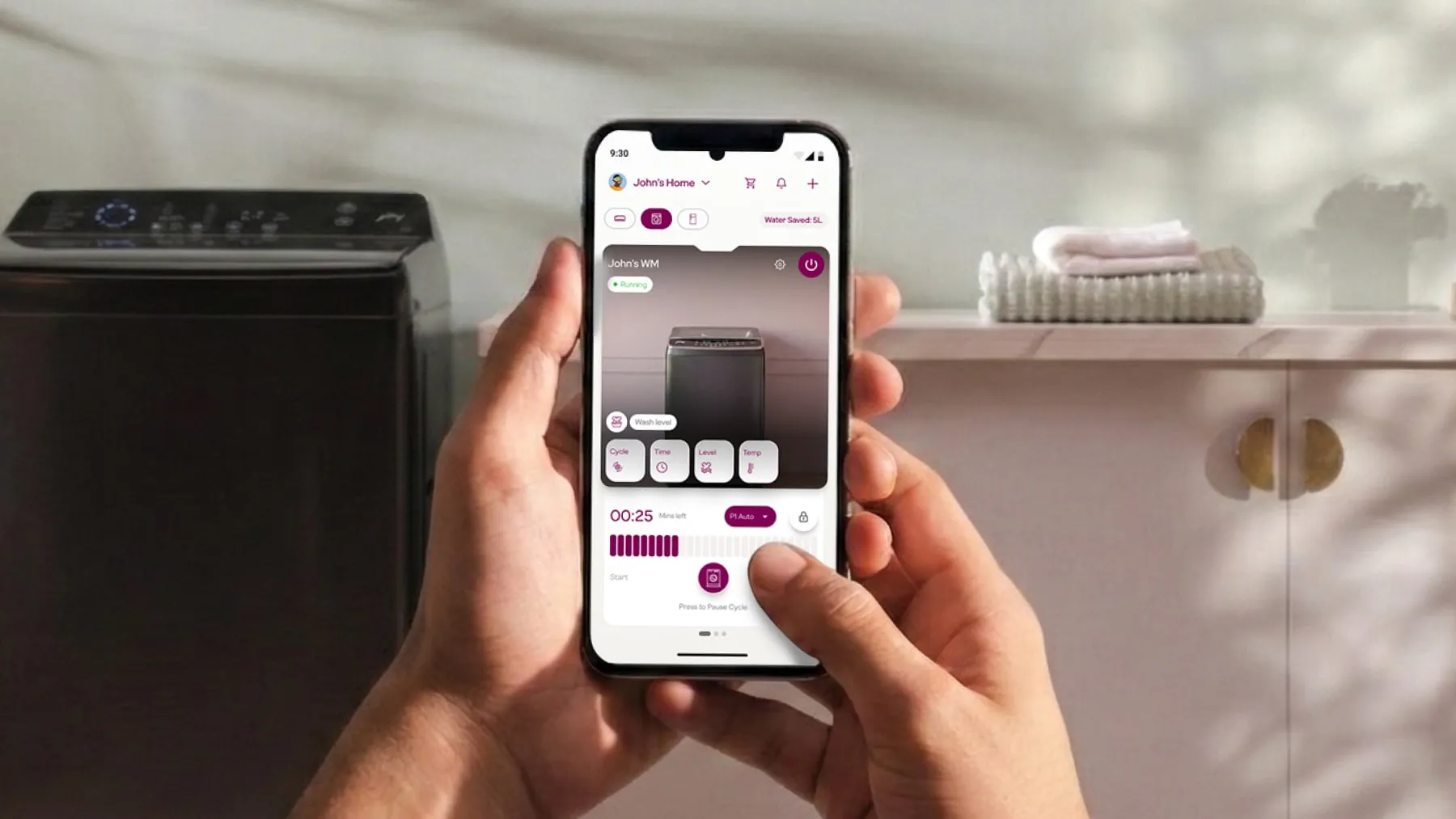
How Happening used Claude to take a skincare brand from brief to handoff in six weeks
One designer working with Claude delivered a skincare brand's full launch kit in 4–6 weeks instead of the usual 12–14.

· 4 min read
A new skincare brand came to Happening with a product and a plan to launch, but no brand, no website and no packaging. Four to six weeks later, one Happening designer working with Claude handed over a complete launch kit: brand strategy, logo, colour palette, typography, brand guidelines, a pre-launch website with a waitlist, and product packaging. A launch of this scope usually takes us 12 to 14 weeks and three specialists.
| At a glance | Typical engagement | With Claude |
|---|---|---|
| Brief to final handoff | 12–14 weeks | 4–6 weeks |
| People on delivery | 3 specialists | 1 designer |
| Deliverables | 7 | 7 |
The challenge
The brand needed to go from idea to a credible, consistent presence fast. Every week without a website and waitlist was a week of early demand it could not capture.
A launch like this normally runs as a relay. A strategist defines the brand, a designer turns it into an identity and screens, and a developer builds the site. Each hand-off loses context, and each one adds a round of rework. For an early-stage brand, that means a long timeline and a larger team than it needs.
Our approach: one designer, Claude in the loop
Instead of a relay, we gave the whole project to one Happening designer and put Claude at the centre of the workflow. The designer built the brand first, then designed and built the pre-launch website on top of it. We used Claude (in the Claude desktop app) for strategy and documentation, and Claude Code for the website build.
The rule was simple: Claude drafts, people decide. Every piece of work followed the same loop: client input, a Claude draft, designer review and editing, then client approval. Nothing Claude produced went to the client without a designer’s sign-off.
Where Claude fit
Claude carried the brand from strategy into specification and into working code, so the thinking behind the brand stayed intact from the founder brief to the last line of code.
| Workstream | What Claude did | What the designer did |
|---|---|---|
| Brand strategy | Drafted archetype options, positioning, a brand manifesto and customer personas from the founder brief | Chose the direction, rewrote the drafts and took them to the client for approval |
| Visual identity (logo, colour, typography, guidelines) | Proposed colour names grounded in skincare-formulation language | Designed the logo, built the colour palette, chose the typography and compiled the brand guidelines |
| Website PRD and design system | Turned the approved strategy into a product requirements document, page structure and component documentation | Set the scope, designed the UI and signed off the spec with the client |
| Website build | Wrote the Next.js codebase with Claude Code: CMS schema, animations and a waitlist that sends email notifications | Reviewed every change, tested in the browser and owned the final code |
| Product packaging | None | Designed the product packaging and prepared the dieline for print |
The results
The brand received its full launch kit in 4–6 weeks, against the 12–14 weeks a comparable engagement typically takes at Happening, a timeline 50–70% shorter.
| Metric | Typical engagement | With Claude | Change |
|---|---|---|---|
| Brief to final handoff | 12–14 weeks | 4–6 weeks | 50–70% shorter |
| People on delivery | 3 (strategist, designer, developer) | 1 designer | 3 roles covered by 1 person |
| Hand-offs between disciplines | Strategy → design → development | None | One owner end to end |
Delivery and adoption
At handoff, the brand received everything it needs to launch and run on its own:
- Brand guidelines: a guideline document setting out how to use the logo, colour and typography, so every future touchpoint stays on-brand.
- Figma source files: the logo, colour, typography and packaging designs, owned by the brand.
- Pre-launch website: the full codebase plus access to the Sanity CMS, so the brand’s team can update content themselves.
The website is ready for launch, with a waitlist set up to capture sign-ups and send notification emails from day one. We’ll share sign-up numbers once the site is live.
“Happening took us from a blank page to a brand and pre-launch website we’re proud of, in weeks, not months.”
Founder, skincare brand
How we measured
- With Claude (4–6 weeks, 1 designer): the actual project timeline, from first brief to final handoff, taken from our project records.
- Typical engagement (12–14 weeks, 3 specialists): Happening’s standard timeline and team for a comparable brand-and-website scope, based on our team’s experience delivering similar projects.
- Deliverables (7): brand strategy, logo, colour palette, typography, brand guidelines, pre-launch website and product packaging, all handed over to the client.
What this means for brands
Claude did not replace design judgement; it removed the distance between thinking and making. One designer could move from positioning to product spec to production code without handing the work to someone new at each step, while every decision stayed with the designer and the client.
For early-stage brands, that means launching in weeks instead of months, with a smaller team and a brand that holds together from strategy to screen.
About Happening. Happening Design is a human-centred, AI-native design and development agency. We help brands and product teams go from idea to launch, combining strategy, design and engineering. Planning a launch? Get in touch with our team.